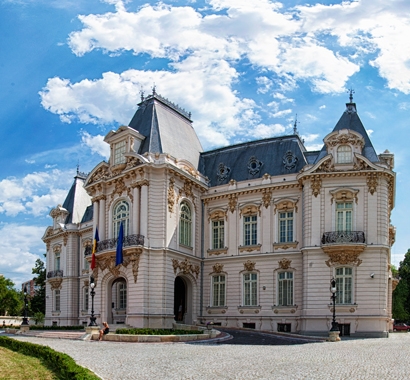
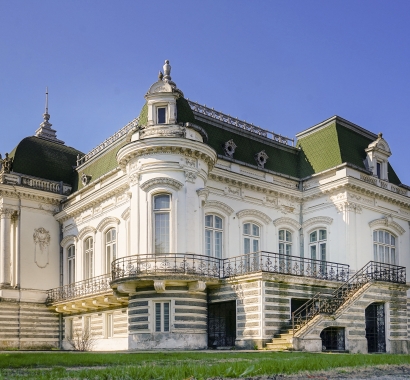
Built between 1898 and 1907 in the middle of a city caught in the fever of the innovations of the early twentieth century, the Mihail Palace stands out by the
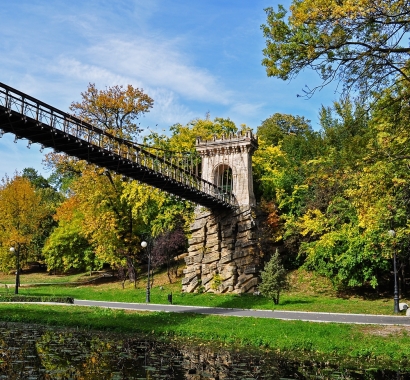
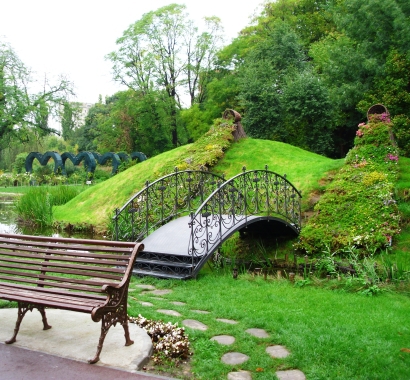
It is the largest natural park in Eastern Europe and one of the most representative monuments of landscape art in Romania. It covers about 90 ha, the green areas
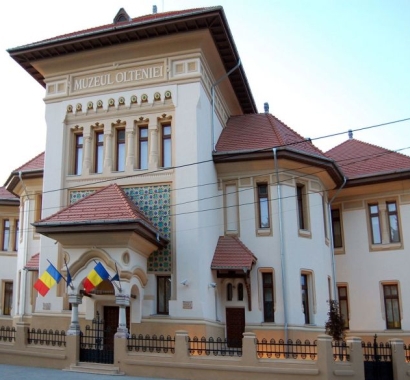
The Museum of Oltenia Craiova was founded on 1st of April 1915, as a result of passion and dedication of some of the most important families in Craiova, at the beginning of the 20th
The earliest evidence of the existence of the old settlement dates back to the year 225. According to the Peuntigeriana Plate, on an old map of the Roman Empire
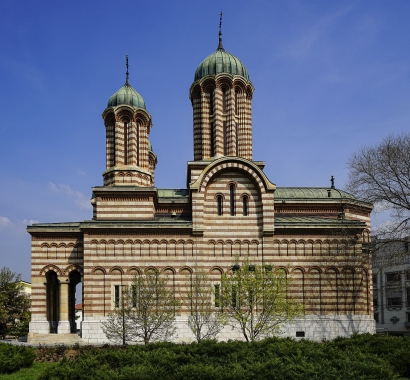
St. Dumitru Cathedral in Craiova is one of the city's largest churches. It was built with the support of the Craioveşti nobil family and was founded in 1652 by Matei Basarab.
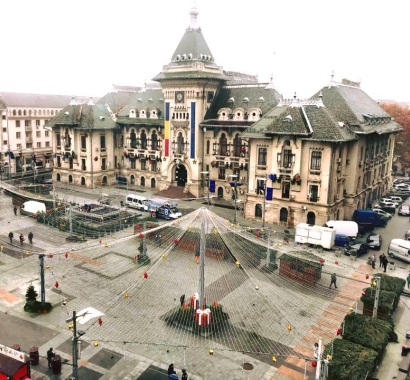
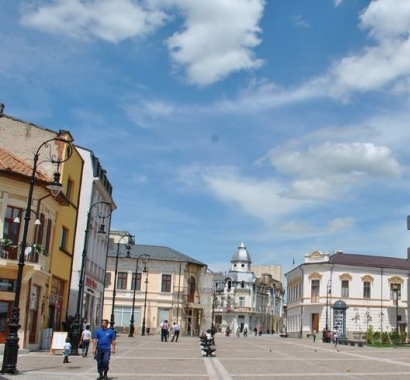
Located in the heart of Craiova, Mihai Viteazul Square gives the opportunity to admire some of the most emblematic buildings in the city. You can admire the Palace
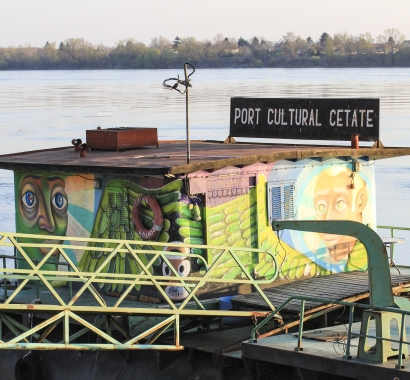
It is located on the banks of the Danube, between Calafat and Turnu Severin, on the site where, from around 1880 until the middle of the last century, an agricultural port operated.
The Botanical Garden is located in the southwestern part of Craiova, between the streets: C-tin Lecca – Obedeanu – Poporului – Renaşterii – N. Titulescu – Iancu Jianu.
Bania House, a monument of medieval architecture and the oldest civil building in Craiova, was built in the late fifteenth century by the Craioveşti noblemen and it was rebuilt
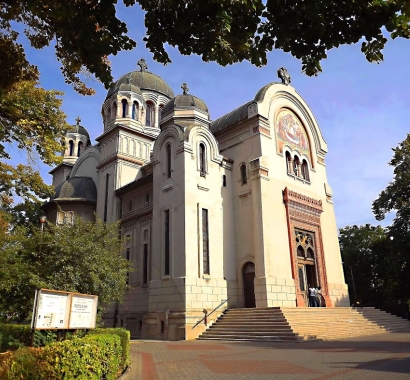
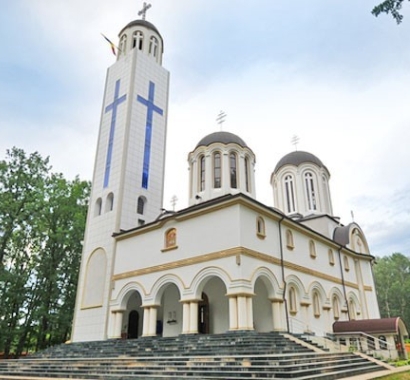
It mainly is known as the Cathedral of Our Lady, being one of the largest Orthodox churches in Craiova. The church was built in Brancovenian style between 1750-1756
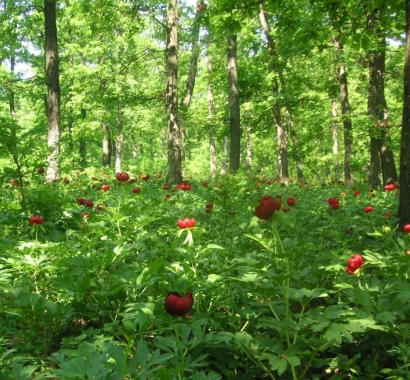
Famous for the Wild Peony Nature Reserve, Poiana Bujorului in the Pleniţa Forest, is located 59 km from Craiova, on the border with Mehedinţi County
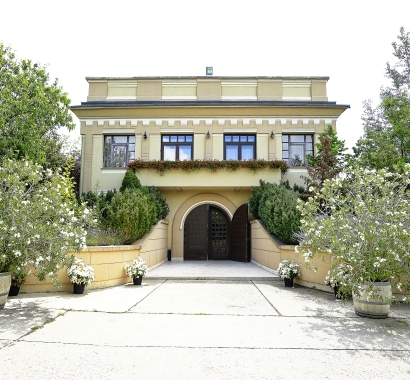
It was built between 1905-1907 by Ştefan Marincu, in memory of his daughter Marioara Marincu according to the plans of the architect Paul Gottereau.
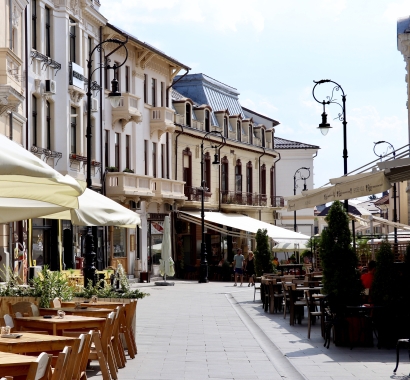
Located in the old town of Craiova, it features a wide range of bars and pubs where you can spend your free time with friends.
Domeniul Coroanei Segarcea spreads over a blessed terroir with mild sun and harsh soil, like a precious mixture of basic nature and high-altitude human character.
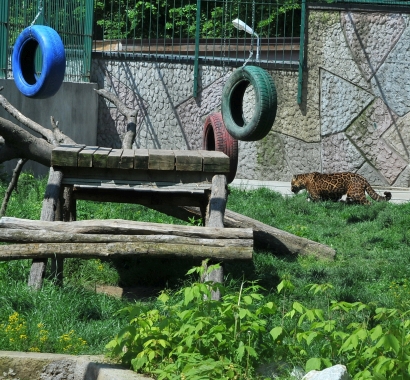
The Craiova Zoo, located in Nicolae Romanescu Park, was inaugurated in 1906 and is one of the oldest in the country. At first it was just a zoological point with
The story of the monastery's construction is linked to an illiterate, deaf and poor shepherd called Petre Lupu, who supposedly had seen God in 1935, between Easter
Constantin Brancusi is honored in a unique way in Craiova. The huge glass “egg” constructed in the courtyard of the Craiova Art Museum represents an unparalleled
The Museum of the Romanian Book and Exile constitutes a unique, large-scale project, whose well-defined purpose is the reunification of Romanian culture with the cultural
The Amza Pellea Memorial House in the city of Băilești was opened to the general public on 7th of April 2024. The building, built in 1908 in the neo-baroque style
The building was erected in the 18th century by the Cernăteşti boyars, with a defence goal at that time. There are some places in the building out of which
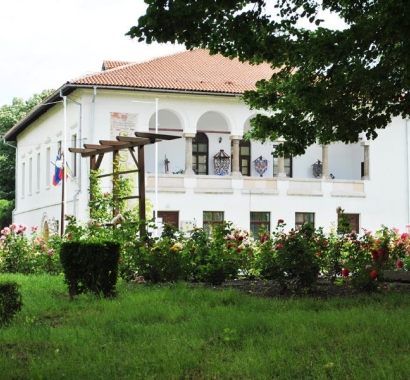
It was built in 1780 by the boyar Barbu Izvoranu. In 1802 the building was added a floor. In 1841 the powerful Geblescu family became the owner.


.png)